Engineer · Scientist · Open-source maintainer

Greg M. Lucas

I build the software that gets science off the ground — spacecraft ground systems at Rocket Lab, data pipelines for NASA missions, and open-source tools the research community runs on every day.

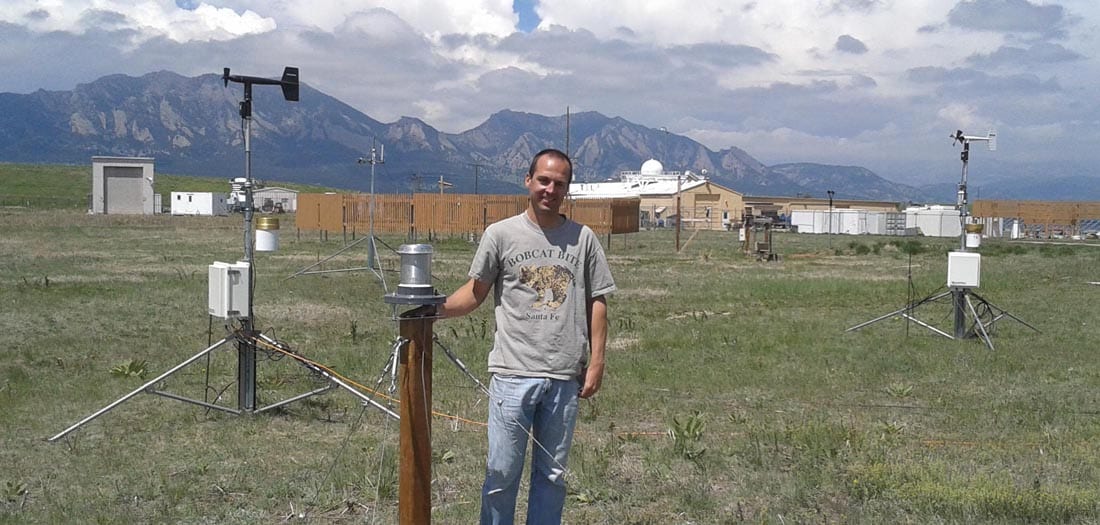
Greg Lucas in the field with atmospheric electricity instrumentation

I am a Principal Ground Software Engineer at Rocket Lab, working on the Intermission product area for spacecraft command and control and satellite telemetry analysis.

Before that I was at the Laboratory for Atmospheric and Space Physics, where I was Science Data Center Lead for NASA's IMAP mission, and a Mendenhall Postdoctoral Fellow with the USGS Geomagnetism Program. My PhD is in aerospace engineering sciences from the University of Colorado, with Jeffrey Thayer.

The through-line across all of it is the same: take research code that only its author can run, and turn it into something reliable, reproducible and open enough that everyone else can build on it too.
Space weather & ground software

Building command-and-control and telemetry systems for spacecraft at Rocket Lab, after leading the Science Data Center for NASA's IMAP mission — ten instrument teams, one processing pipeline, and the infrastructure that delivers the data to the public.

Experience
Open source scientific Python

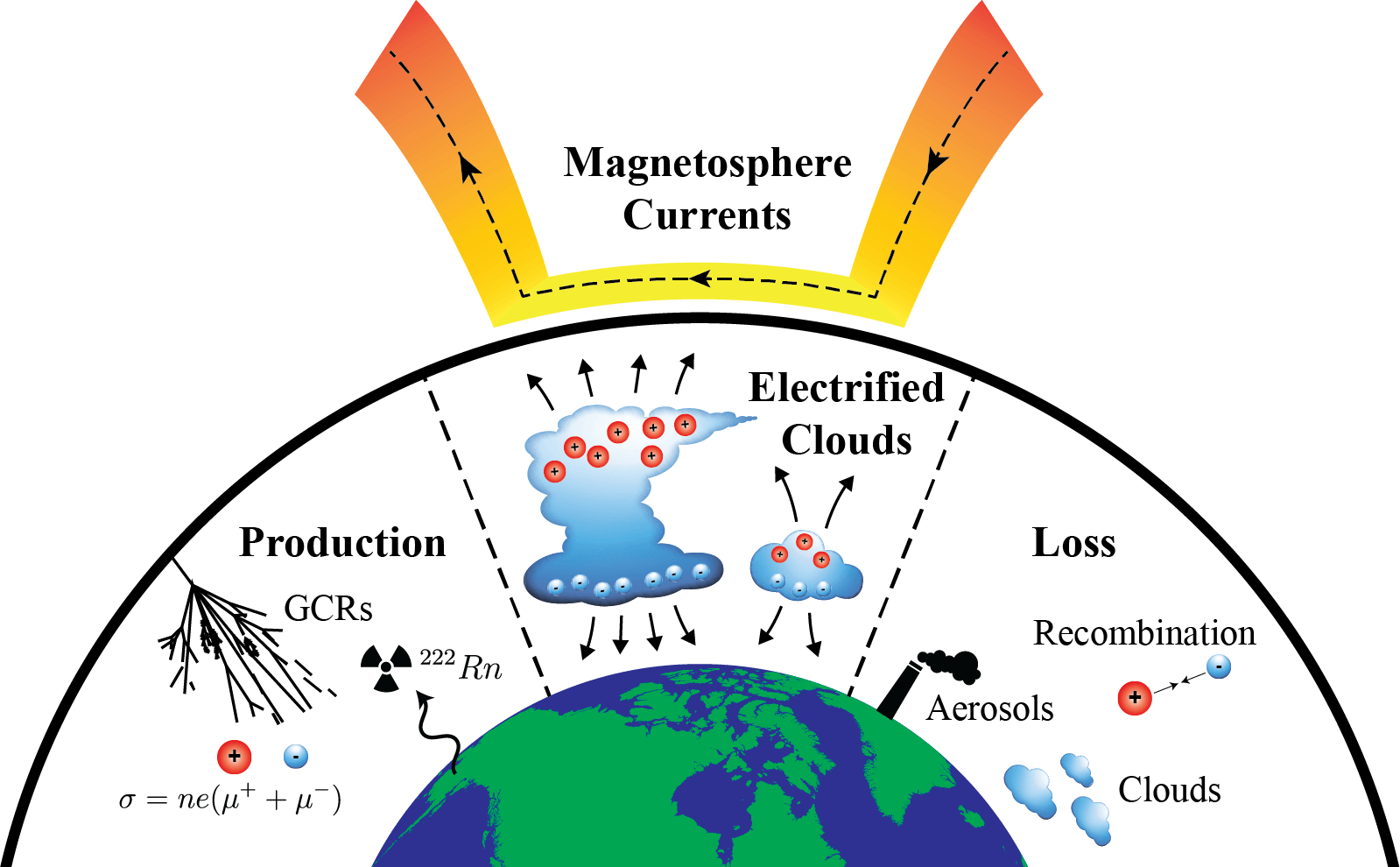
Maintainer of Matplotlib and Cartopy, two visualization libraries used by millions of people, plus a set of domain packages — bezpy, pysecs, pymsis, enlilviz — that came straight out of the research.

Software
Geoelectric hazards research

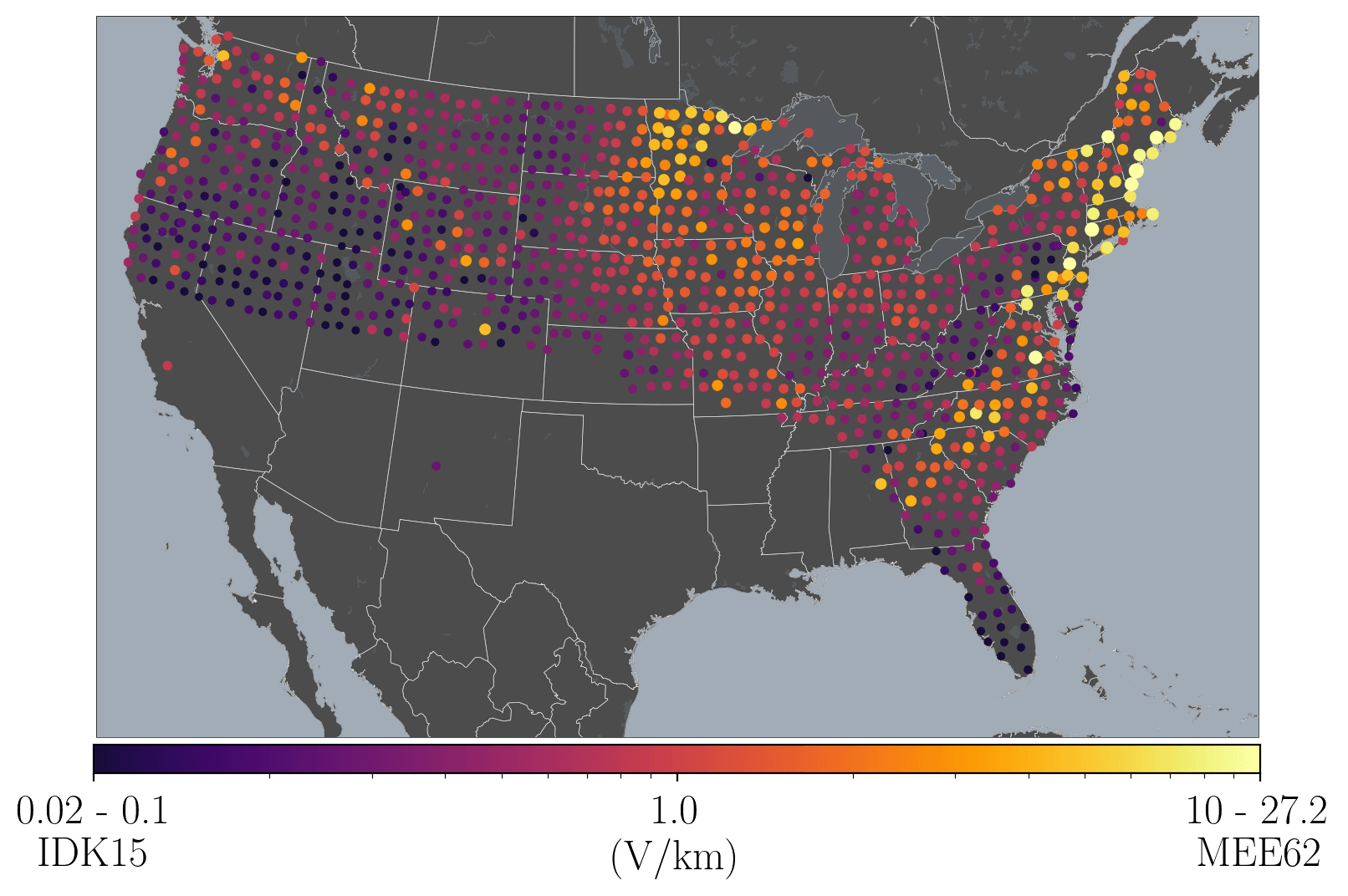
Mapping the risk severe geomagnetic storms pose to the North American power grid, including the first 100-year geoelectric hazard analysis for the US high-voltage network and reconstructions of the 1921, 1940 and 1989 superstorms.

Research
Selected work

Five of 44 publications, and why these are the ones worth reading first.

  1. A 100-year Geoelectric Hazard Analysis for the U.S. High-Voltage Power Grid

    Space Weather , 2020 Cited by 44

    My signature first-author result: the first nationwide, 100-year extreme-value estimate of geoelectric hazard across the US high-voltage grid, built on realistic 3-D Earth conductivity rather than the uniform-Earth assumption the industry had relied on. Every figure ships as a runnable notebook, so the analysis can be checked rather than taken on faith.

  2. Calculation of Voltages in Electric Power Transmission Lines During Historic Geomagnetic Storms: An Investigation Using Realistic Earth Impedances

    Space Weather , 2018 Cited by 62

    My most-cited first-author paper. It showed that using realistic Earth impedances instead of uniform ground changes computed transmission-line voltages during historic storms by enough to matter operationally, which reframed how induced voltages are estimated for real grid segments.

  3. A global electric circuit model within a community climate model

    Journal of Geophysical Research: Atmospheres , 2015 Cited by 37

    The core of my PhD: WACCM-GEC, the first global electric circuit model solved inside a full community climate model, so atmospheric electricity responds to a physically realistic atmosphere instead of a prescribed one. Selected for a research spotlight in Eos.

  4. The Thermosphere Is a Drag: The 2022 Starlink Incident and the Threat of Geomagnetic Storms to Low Earth Orbit Space Operations

    Space Weather , 2023 Cited by 71

    The most-cited paper I have contributed to. A modest geomagnetic storm expanded the thermosphere enough to bring down 38 newly launched Starlink satellites, and this analysis turned that loss into the reference case for how space weather threatens low Earth orbit operations.

  5. Magnetic Storms and Geoelectric Hazards

    Annual Review of Earth and Planetary Sciences , 2026

    An invited Annual Reviews article surveying the whole field of magnetic storms and geoelectric hazards. It has no citations yet because it is brand new, but being asked to write the review is the field's way of saying this is settled expertise.

All 44 publications